What is Better for Racing: Tear-Offs or Roll-Offs?
Choosing between tear-offs and roll-offs for racing can be crucial, especially in varying weather conditions. Here’s a detailed comparison to help you decide which is better for your needs.
Roll-Offs Work Better When the Weather Is Bad
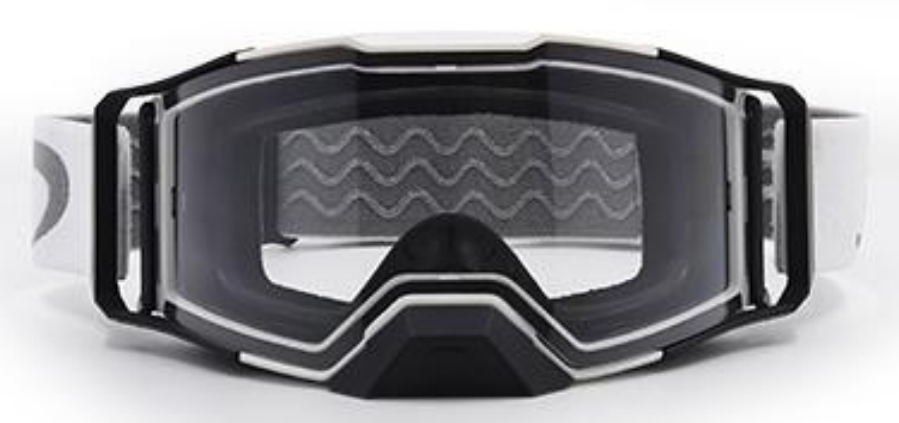
When it’s raining or the mud is flying more than usual, roll-offs might be your best bet. Riders are limited to how many tear-offs they can place on their goggles. Modern tear-offs can be stacked in laminations, allowing the rider to have more tear-offs, but as the stack gets thicker, the vision quality goes down dramatically.
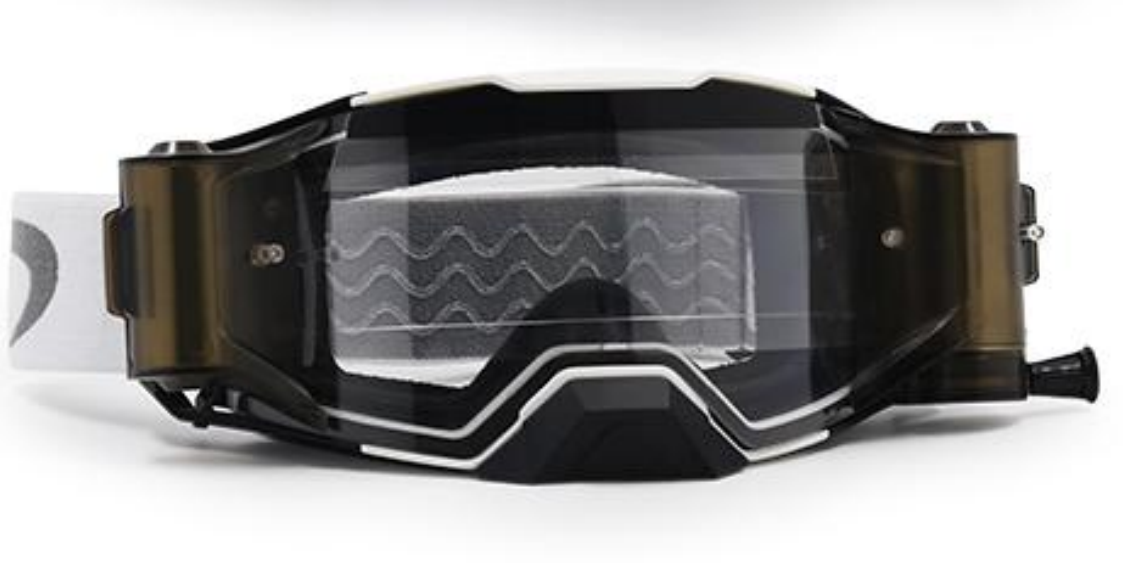
Since roll-off systems allow for more “vision clearings,” they are preferred in the muddiest of conditions. Modern roll-off systems are even more compelling. In the past, riders didn’t like them as much because the film was very thin, leaving only a sliver of visibility in muddy conditions. However, modern roll-off kits are as wide as 45mm, making the viewing angle quite large.
Preventing Water Behind the Lenses
When water gets behind the disposable lenses, it’s almost impossible to see where you’re going. This can be avoided with proper installation of the roll-off and tear-off systems, and using special parts called mud flaps, which are installed above the disposable lens and act like a rain gutter, preventing water from getting behind the disposable lenses.
Installing Roll-Off Goggle Lenses
Roll-off goggle lens application can be easy if done with care. If not installed properly, water, sand, and other debris can get under the disposable lenses. The process is simple: take your full roll of film and unroll a short strip to attach to the empty cartridge. Place the roll-off lens covers back onto the roll-off lenses on the goggles. Pay extra attention to making sure each cover is locked in place properly. The most common error is these lens covers popping off due to improper installation. Also, make sure the film is threaded under the mud flap as it crosses the lens. This will prevent water, mud, and dirt from getting between the roll film and the goggle lens. When you’re ready to advance the roll, pull the cord.
Using Tear-Offs
To keep your vision clear with standard tear-offs, you need to limit the lenses that you stack, or your vision will be cloudy. Laminate lenses come in stacks of 5, 10, and 15. Because they are laminated together from the factory, the vision clarity through this stack is better than individual tear-offs. You can even stack multiple laminated stacks, but once again, you have to limit the total depth of disposable lenses, or your vision will get cloudy. If you are racing with tear-offs, you may need to use them sparingly according to the conditions and length of the race.
Choosing Between Tear-Offs and Roll-Offs
If the conditions are nasty, or you will be riding all day, you may opt for roll-offs. They allow for more “vision clears” than tear-offs, and the layer in front of the lens is always just one thin layer of film, so your vision never gets cloudy. Depending on the conditions, a rider could ride all day with one roll-off film.
FAQs
Q1. When should I use roll-offs instead of tear-offs?
A1: Roll-offs are ideal for bad weather conditions, such as rain or heavy mud, as they allow for more frequent vision clearings without compromising visibility.
Q2. How do I prevent water from getting behind the lenses?
A2: Proper installation of roll-off and tear-off systems, along with using mud flaps, can prevent water from getting behind the disposable lenses, ensuring clear vision.
Q3. What are the advantages of modern roll-off systems?
A3: Modern roll-off systems have wider films (up to 45mm), providing a larger viewing angle and better visibility compared to older, narrower films.
Q4. How do I install roll-off goggle lenses correctly?
A4: To install roll-off lenses, unroll a short strip of film to attach to the empty cartridge, ensure lens covers are locked in place, and thread the film under the mud flap to prevent debris from getting between the film and the lens.
Q5. How many tear-offs can I stack without losing vision clarity?
A5: While you can stack multiple laminated tear-offs, it’s important to limit the total depth to avoid cloudy vision. Laminated stacks of 5, 10, or 15 offer better clarity than individual tear-offs.