
Do Ski Goggles Need To Be Polarized?
Clear Vision
When skiing, visual clarity and protection are very important for an enjoyable and safe skiing experience. One frequently asked question is
whether ski goggles should be polarized. Polarization in lenses reduces glare by filtering out horizontal light waves, which is particularly
advantageous in bright, reflective environments like snowy landscapes. Here, the reflective surface of the snow can cause intense glare, which
can make our eyes feel tired and cause bad influence for our eyesight.
Polarized Or Not Depand on Conditions
However, whether ski goggles need to be polarized depends on skiers’ requirement and skiing conditions. Skiers who frequently ski in sunny
conditions often benefit from polarized lenses’ glare-reducing function. If you’re skiing in bright sunlight, the enhanced contrast and clarity
provided by polarized goggles can significantly improve your vision, allowing you to detect changes in the snow surface and navigate more
effectively.
How Polarized Ski Goggles Work?
Polarized Lens
Polarized ski goggles operate on a fascinating principle designed to enhance your skiing or snowboarding experience by improving visibility and reducing glare. At their core, polarized lenses are engineered with a special chemical film that helps block horizontal light waves, which are typically responsible for the harsh glare that reflects off flat surfaces like snow. This glare can significantly impede visibility, making it difficult to be seen for the contours and textures of the snowy terrain, which are very important for safe skiing.
precise alignment of molecules
Regular glasses are designed with comfort and style in mind. They can be made from a variety of materials, including glass and plastic lenses. While they might look stylish, they’re not built to withstand heavy impacts or chemical splashes.
Basic Functions of Ski Goggles
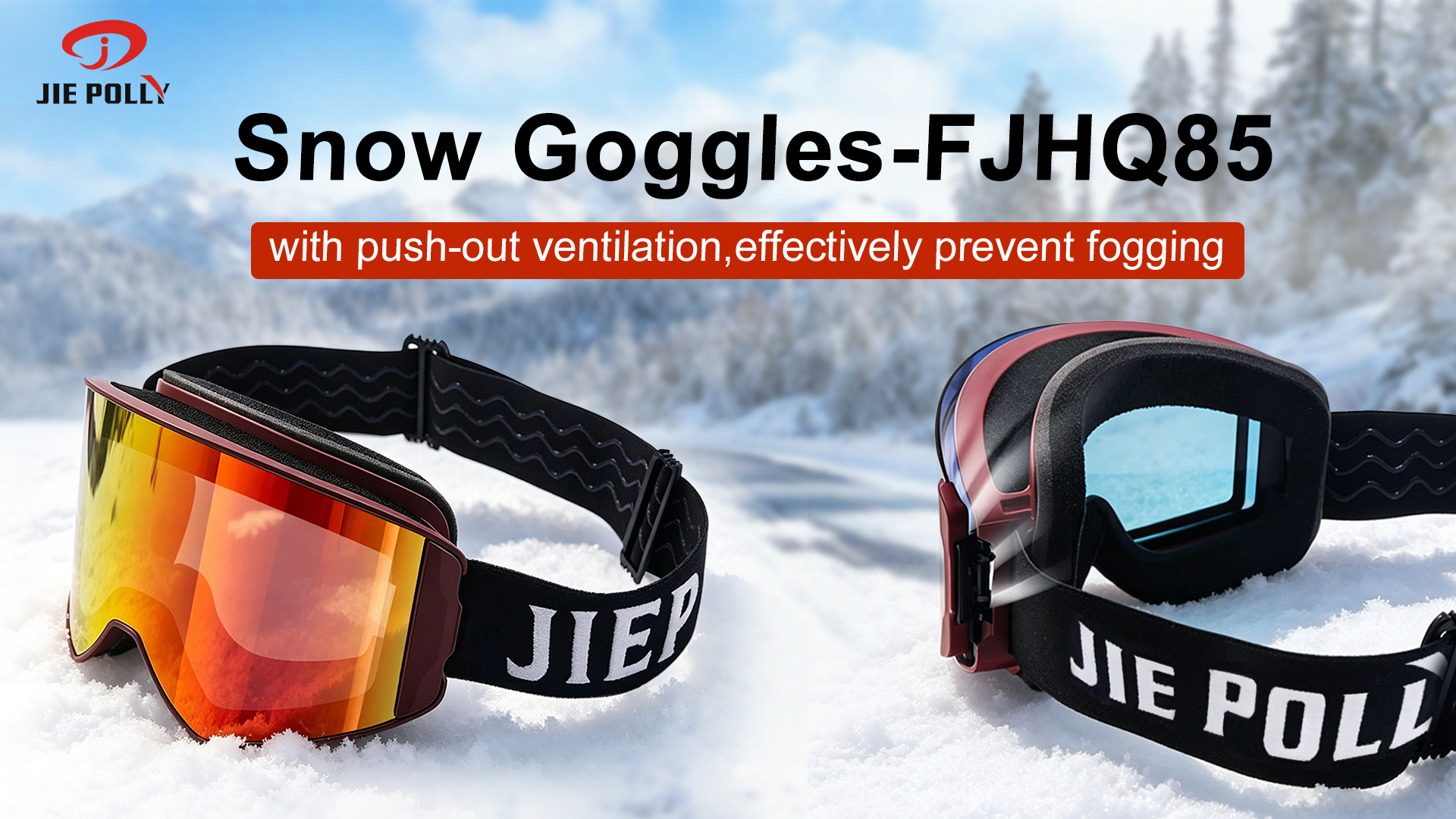
Ski goggles are an indispensable piece of equipment when skiing. They effectively protect the skier’s eyes from external harm while improving the clarity of vision. Ski goggles typically offer the following functions: eye protection, enhanced visual quality, protection against wind and snow, and light adjustment.
The Role of Polarized Lenses
The biggest perk? Protection. Safety glasses are like a force field for your eyes, keeping out harmful debris, UV rays, and chemicals. They’re the ultimate guardian for your vision
Do You Need Polarized Lenses?
Depending on the weather conditions
Although polarized lenses can improve the quality of a skier’s vision, not everyone needs to use them. If you typically ski on cloudy days or
in areas with lower altitude where the light is relatively dim, the necessity of polarized lenses isn’t very high. On the contrary, if you often ski
under intense sunlight, you might want to consider ski goggles with polarized lenses.
In summary, ski goggles do not necessarily need polarized lenses, but it is very important to choose the right lens type based on your skiing
environment.
Conclusion
Although polarized lenses can improve the quality of a skier’s vision, not everyone needs to use them. If you typically ski on cloudy days or
in areas with lower altitude where the light is relatively dim, the necessity of polarized lenses isn’t very high. On the contrary, if you often ski
under intense sunlight, you might want to consider ski goggles with polarized lenses.
In summary, ski goggles do not necessarily need polarized lenses, but it is very important to choose the right lens type based on your skiing
environment.
